Integrated Growth Strategy
No infrastructure. No local data. No playbook. Just a market that needed to be understood from scratch and built to last.
82%
Conversion rate, Q3/Q4 2024
45%
Organic leads from social
+30%
Student participation & lead quality
/ The Challenge
When LAE's Australian onshore operation reopened, there was no local team, no market knowledge, and no marketing infrastructure. The global team had strong experience with offshore students, but onshore students are a completely different audience. Their motivations, communication preferences, and what they actually need from an agency are different in almost every way.
The data made the real problem clear. Most visa applications were coming from newly recruited students, not from existing ones who already knew LAE. Retention was broken. Communications were manual and inconsistent, with no structure for building the kind of trust that onshore students actually respond to.
The starting point wasn't running campaigns. It was understanding a market from scratch and building an operation that could actually serve it.
"The job wasn't to run campaigns. It was to understand a completely new market from scratch and build the infrastructure that could actually serve it."
/ The Strategy
The diagnosis came before the strategy.
Before choosing what to build, I needed to understand what was actually broken. The data pointed to retention: most visa applications were coming from newly recruited students, not from existing ones who already knew LAE. The problem wasn't reach. It was relevance and connection.
The four-pillar strategy was built around that diagnosis:
- Social media: build trust and credibility before anyone was ready to book
- Email automation: convert interest into consultations and keep enrolled students connected throughout their journey
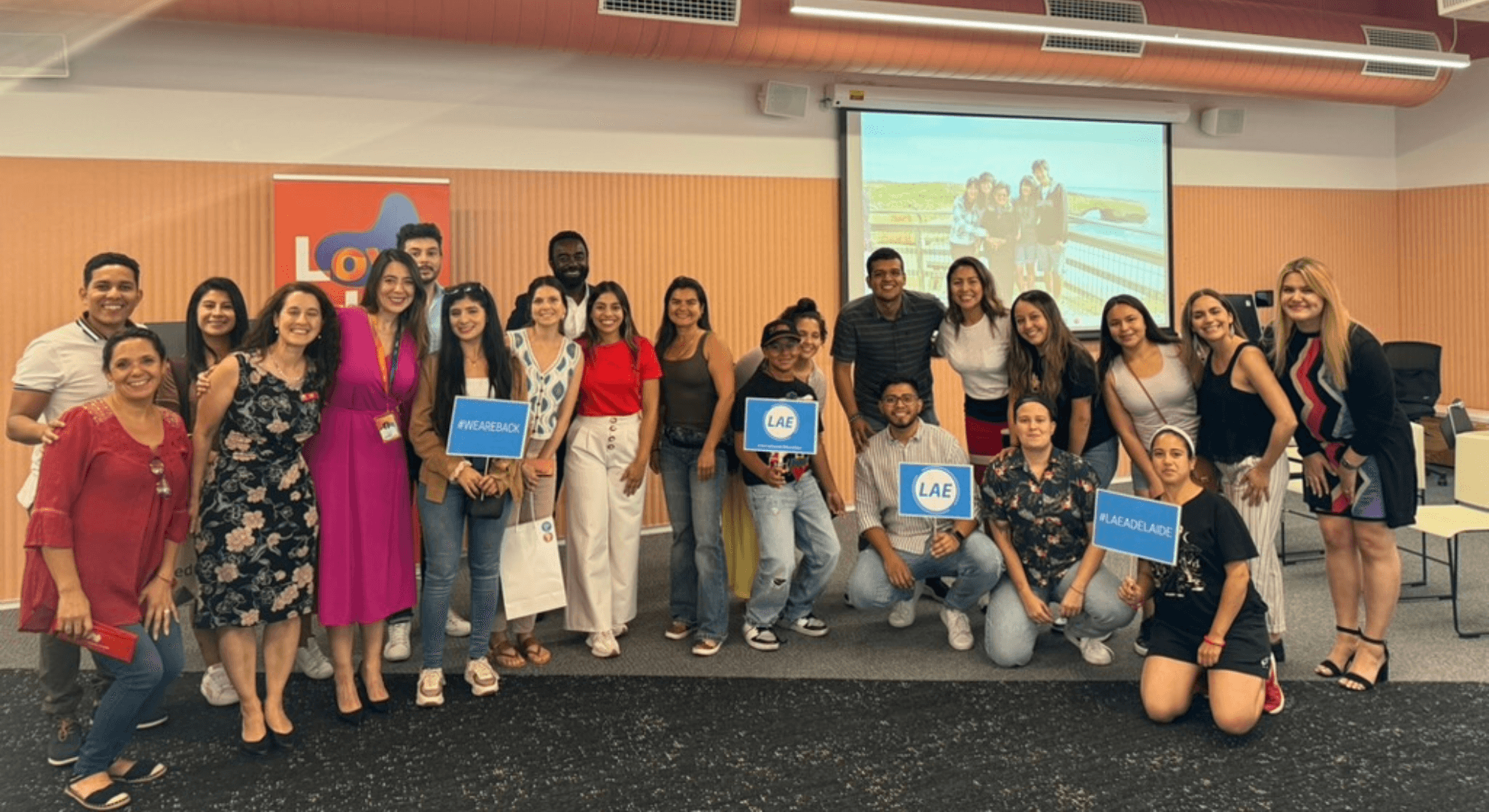
- Events: create real community moments that no digital channel can fully replace
- B2B partnerships: generate qualified leads at scale, backed by institutional access no other Latin American agency in Australia could match
Each pillar fed the next. The strategy only worked because all four ran simultaneously.
/ The Approach
/ Results
82%
Conversion rate, Q3/Q4 2024
45%
Organic leads from social
+30%
Student participation & lead quality
5
Cities, simultaneous events
Students started seeing LAE as a trusted resource, not just a service provider. That shift doesn't happen by accident. It comes from consistent, relevant communication across every channel, and that's what we built.
The numbers reflect what that work produced: an 82% conversion rate through B2B partnership campaigns, 45% more organic leads from social, a 20% increase in weekly consultations through funnel automation, and events running across five cities with over 100 student attendees per quarter.
What this role taught me most is that marketing infrastructure matters as much as the campaigns themselves. When I started, there was nothing in place — no automations, no event framework, no content strategy, no partner activation process. Building all of that simultaneously, while delivering results, forced me to think carefully about what to prioritise and why.
/ Tools Used
Tap any tool to see how it was used.
Want results like this?
I help brands build marketing systems that generate real, measurable results. If you have a project in mind, let's talk.
Get in touch →